


Stephen Hawking, a renowned English theoretical astrophysicist and cosmologist, left an indelible mark on the world of science. Born on January 8, 1942, Hawking defied the odds of a motor neuron disease diagnosis at the age of 21, going on to achieve remarkable success in his field. With a net worth estimated at $20 million, Hawking’s career highlights include serving as the Lucasian Professor of Mathematics at Cambridge University from 1979 to 2009 and making groundbreaking contributions to our understanding of cosmology and black holes. A celebrated author and public figure, Hawking’s legacy continues to inspire and captivate audiences worldwide.
A Brilliant Mind in the Making: Early Education and Family Background
Stephen Hawking was born on 8 January 1942 in Oxford, England, into a family of physicians. His father, Dr. Frank Hawking, was a research biologist, and his mother, Isobel Hawking, was a nurse. This family background instilled in Stephen a strong foundation in science and medicine, which would later shape his academic pursuits.
Stephen’s early education laid the groundwork for his future success in theoretical physics. He attended St. Albans School in Hertfordshire, where he excelled academically and developed a passion for science and mathematics. In 1959, at the age of 17, Stephen began his university education at University College, Oxford, where he received a first-class BA degree in physics. This achievement was a testament to his dedication and natural aptitude for the subject.
Stephen’s early education and family background played a significant role in shaping his interests and academic pursuits. His exposure to science and medicine from a young age sparked a curiosity that would drive him to become one of the most renowned theoretical physicists of his time.
A Life of Academic Excellence: Graduate Work and PhD
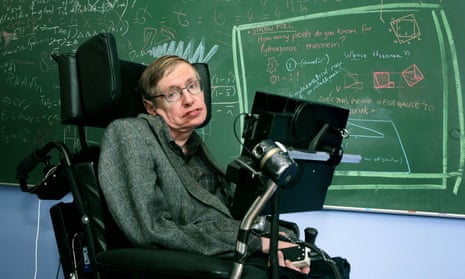
At Trinity Hall, Cambridge, Stephen Hawking began his graduate work in 1962, marking the start of a significant period in his academic journey. He focused on applied mathematics and theoretical physics, with a particular emphasis on general relativity and cosmology. This area of research would later become a cornerstone of his work, leading to groundbreaking discoveries and a deeper understanding of the universe.
During his graduate studies, Hawking made significant strides in his field, eventually obtaining his PhD in 1966. This achievement was a testament to his dedication and intellectual prowess. His PhD marked a pivotal moment in his academic career, setting the stage for future research and contributions to the field of theoretical physics. Hawking’s work in this period laid the foundation for his later research on black holes, an area that would captivate the scientific community and the general public alike.
Hawking’s graduate work at Trinity Hall, Cambridge, was a defining period in his academic journey, marked by intense focus and intellectual curiosity. His research in general relativity and cosmology would go on to shape the course of his career, earning him international recognition and acclaim.
Breaking Barriers: Academic Career and Achievements at Cambridge
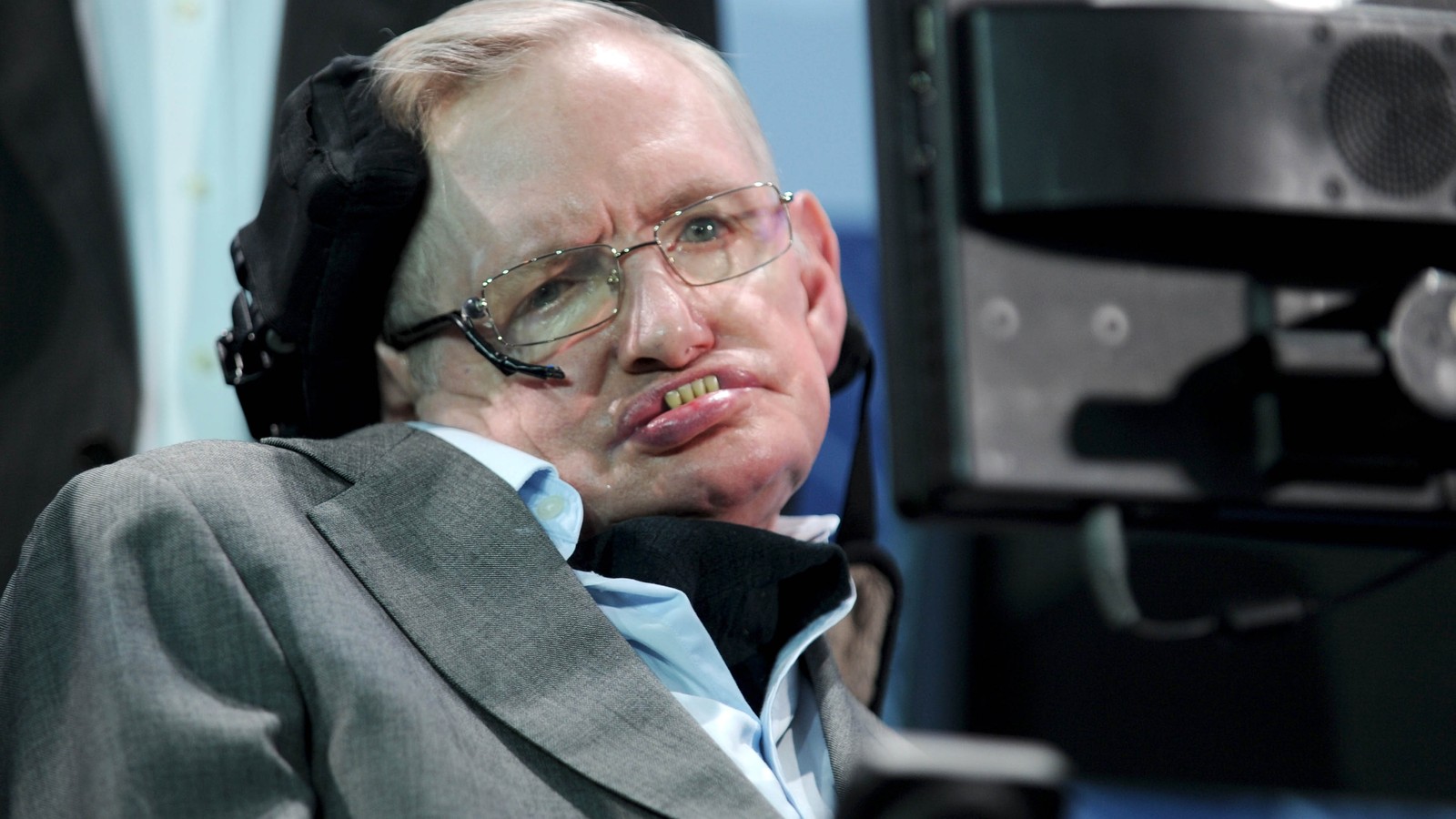
Stephen Hawking’s appointment as the Lucasian Professor of Mathematics at Cambridge in 1979 marked a significant milestone in his illustrious academic career. This prestigious position, widely regarded as one of the most esteemed academic posts in the world, was previously held by Sir Isaac Newton. Hawking’s tenure as Lucasian Professor spanned 30 years, until his retirement in 2009. During this period, he continued to make groundbreaking contributions to the field of theoretical physics.
| Biography Aspect | Details |
|---|---|
| Full Name | Stephen William Hawking |
| Date of Birth | 8 January 1942 |
| Age at Death | 76 years |
| Place of Birth | Oxford, England |
| Nationality | English |
| Occupation | Theoretical Astrophysicist, Cosmologist, Author |
| Spouse | Jane Wilde Hawking (married 1965-1995), Elaine Mason (married 1995-2006) |
| Children | Robert Hawking, Lucy Hawking, Timothy Hawking |
| Education | University College, Oxford (BA in Physics, 1962), Trinity Hall, Cambridge (PhD in Applied Mathematics and Theoretical Physics, 1966) |
| Notable Works / Achievements | A Brief History of Time, A Briefer History of Time |
| Director of Research | Centre for Theoretical Cosmology at the University of Cambridge |
| Academic Post | Lucasian Professor of Mathematics at Cambridge (1979-2009) |
Hawking’s research on black holes was a major focus of his work at Cambridge. He proposed that black holes emit radiation, now known as Hawking radiation, due to quantum effects. This theory revolutionized our understanding of these cosmic phenomena and has had a profound impact on the field of cosmology. Hawking’s work on black holes also led to a deeper understanding of the relationship between space and time, further solidifying his reputation as a leading figure in theoretical physics.
In 2007, Hawking was appointed as the director of research at the Centre for Theoretical Cosmology at the University of Cambridge. This position allowed him to lead a team of researchers and focus on the study of cosmology and theoretical physics. Under his leadership, the Centre for Theoretical Cosmology became a hub for innovative research and collaboration, cementing Cambridge’s reputation as a global leader in these fields.
A Pioneering Career: Research, Publications, and Awards
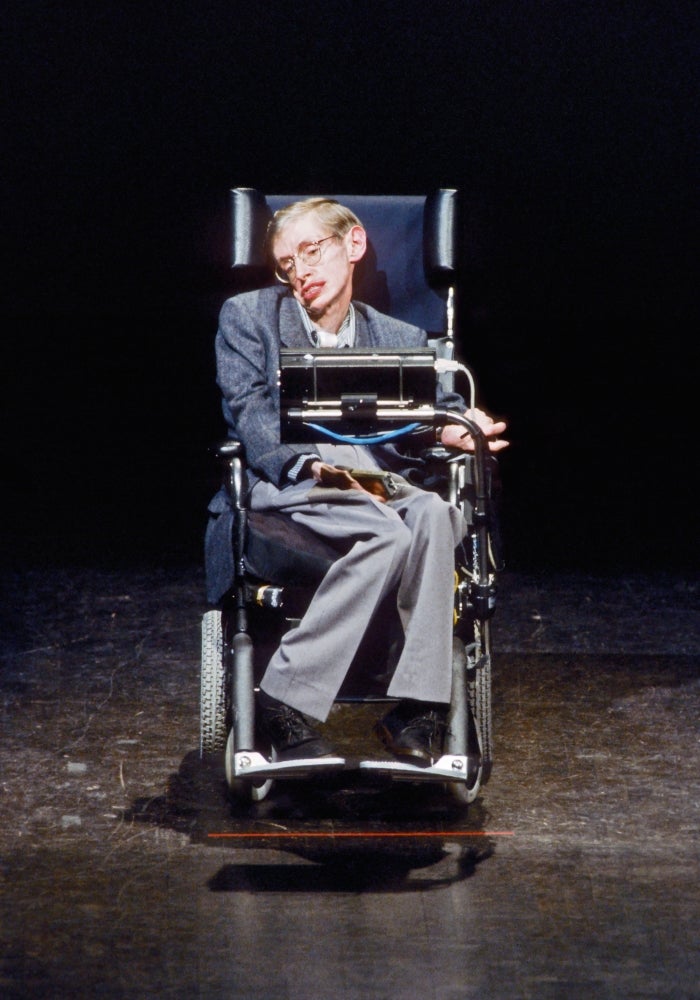
Stephen Hawking’s groundbreaking research in cosmology revolutionized our understanding of the universe. His work on black holes, in particular, has been a cornerstone of modern theoretical physics. Hawking proposed that black holes emit radiation, now known as Hawking radiation, due to quantum effects. This theory has been widely accepted and has had a profound impact on our understanding of the cosmos.
In addition to his research, Hawking was a prolific author, writing several bestselling books on theoretical physics. His most famous book, A Brief History of Time, was first published in 1988 and has since become a classic in the field. The book provides an accessible introduction to complex concepts in cosmology and theoretical physics, making it a must-read for anyone interested in the subject. Hawking’s writing style, combined with his ability to explain complex concepts in simple terms, has made him one of the most popular science authors of all time.
Hawking’s contributions to science have been recognized with numerous awards and honors. He was awarded the Albert Einstein Award in 1978, the Presidential Medal of Freedom in 2009, and the Fundamental Physics Prize in 2012, among many others. These awards are a testament to Hawking’s groundbreaking research and his ability to inspire a new generation of scientists and science enthusiasts.
A Life of Resilience: Personal Struggles and Relationships
In 1963, at the age of 21, Stephen Hawking was diagnosed with a motor neurone disease, which would eventually be identified as amyotrophic lateral sclerosis (ALS). This diagnosis would change the course of his life, forcing him to adapt to a condition that would gradually rob him of his physical abilities. Despite this, Hawking continued to work and live a full life, defying the expectations of his doctors and inspiring countless people around the world.
Marriage and Family
In 1965, Hawking married his first wife, Jane Hawking, a language student at Cambridge. The couple had three children together, Robert, Lucy, and Timothy. Jane played a crucial role in caring for Stephen during his illness, and their marriage lasted for 11 years before they divorced in 1995. Hawking’s personal struggles with his motor neurone disease were a significant challenge to his marriage and family life, but he remained committed to his loved ones and continued to pursue his work and interests.
Living with a Terminal Illness
Hawking’s motor neurone disease progressed slowly over the years, forcing him to rely on a wheelchair and a speech-generating device to communicate. Despite his physical limitations, Hawking’s mind remained sharp and his spirit unbroken. He continued to work on his research and writing, producing some of his most famous books, including “A Brief History of Time.” His ability to adapt to his condition and continue to contribute to his field was a testament to his strength and resilience.
Legacy and Impact: A Lasting Legacy in Theoretical Physics
Stephen Hawking’s impact on the field of theoretical physics is immeasurable. As the Lucasian Professor of Mathematics at Cambridge University between 1979 and 2009, he made significant contributions to our understanding of the universe. His work on black holes, in particular, revolutionized the field of cosmology. Hawking’s research showed that black holes emit radiation, now known as Hawking radiation, which challenges the traditional view of these cosmic phenomena.
Hawking’s ability to communicate complex scientific concepts to a broad audience helped popularize science and make it more accessible. His bestselling books, including A Brief History of Time, have been translated into numerous languages and have sold millions of copies worldwide. This unique ability to explain complex ideas in simple terms has inspired a new generation of scientists and science enthusiasts. Hawking’s media presence, including appearances on TV shows and documentaries, has further cemented his status as a science icon.
At Cambridge University, Hawking left a lasting legacy. He was the director of research at the Centre for Theoretical Cosmology, which was established in 2007. The Centre continues to be a hub for cutting-edge research in theoretical physics and cosmology, with a focus on understanding the origins and evolution of the universe. Hawking’s work and legacy at Cambridge University have inspired a new generation of scientists and researchers, ensuring that his impact on the field of theoretical physics will be felt for years to come.