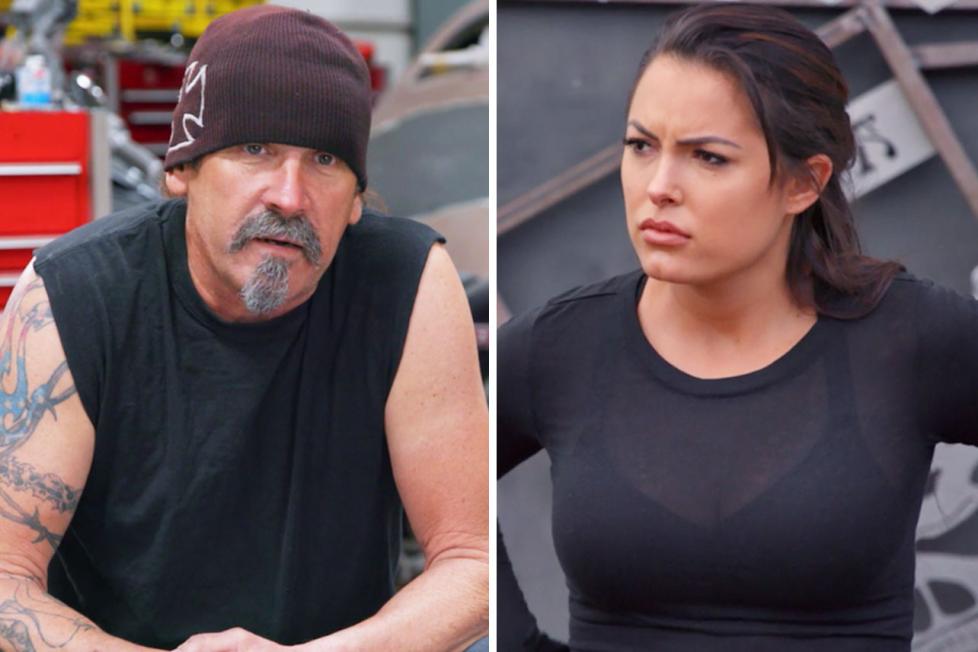




Bob Morales, the older half-brother of rock ‘n’ roll legend Ritchie Valens, lived a life of profound loss, fierce redemption, and an unbreakable family bond. Born in 1937 in the San Fernando Valley, California, Bob Morales age at his passing was 81, succumbing to prostate cancer complications on September 15, 2018, in Royal Oaks, California. Known for his raw portrayal in the 1987 biopic La Bamba—where he appeared as himself—Bob Morales embodied the gritty Chicano spirit. After Ritchie Valens’ death in a 1959 plane crash at age 17, Bob spiraled into alcohol addiction but later triumphed over it and cancer, dedicating himself to community work. With a modest net worth of $100,000 from mechanic and counseling jobs, his true wealth was his nine children and enduring family love. This article answers what happened to Ritchie Valens’ brother, exploring his journey from grief to heroism, offering fresh insights into his role in the Chicano rock movement.
Bob Morales Age, Early Life, and Family Roots: A Migrant Childhood in Post-War America
Bob Morales age began in 1937, making him four years older than Ritchie Valens, born Richard Steven Valenzuela in 1941. Their mother, Concepción “Concha” Reyes (1915–1987), a Yaqui indigenous woman from Mexico, worked migrant farm jobs in California’s agricultural camps. Bob’s biological father is undocumented, while Ritchie’s was Joseph Steven Valenzuela (1896–1952), who died young from diabetes. The family, including half-brother Mario Ramirez and sisters Connie Lemos and Irma Norton, lived in poverty in Pacoima, a Latino enclave.
Bob’s height of 5 feet 10 inches and weight of about 170 pounds in his prime reflected his sturdy build from manual labor like picking fruit. His passion for motorcycles sparked at age 7, racing a Yamaha YZ 80 and winning over 20 dirt bike trophies by 1976. “Riding was my escape,” Bob shared in a 2009 MotorTrend profile. This led to a mechanic career with a salary of roughly $40,000 annually, supporting a modest life.
The brothers’ bond was electric, with Ritchie idolizing Bob’s rebellious streak. In a 2015 interview, Bob recalled sneaking Ritchie into underground Chicano dances in San Jose, where corridos and R&B fueled their spirit. U.S. Census data shows 30% poverty rates for 1950s Latino migrant families, shaping the raw energy of Chicano rock. Ritchie’s 1958 hit “Come On, Let’s Go” echoed those defiant nights.
| Biography Aspect | Details |
|---|---|
| Full Name | Robert “Bob” Morales |
| Birth Year | 1937 |
| Birthplace | San Fernando Valley, California, USA |
| Ethnicity | Mexican-American (Yaqui indigenous heritage) |
| Mother | Concepción “Concha” Reyes (1915–1987) |
| Half-Brother | Ritchie Valens (1941–1959) |
| Siblings | Mario Ramirez (half-brother), Connie Lemos, Irma Norton (sisters) |
| Early Passion | Motorcycle racing (started at age 7) |
| Education | Graduated San Fernando High School |
| Occupation | Mechanic, rehabilitation counselor |
| Physical Stats | Height: 5’10”; Weight: ~170 lbs (prime) |
The Devastating Loss: Ritchie Valens’ Death and Bob Morales’ Battle with Alcohol Addiction
Ritchie Valens’ death on February 3, 1959, in a Mason City, Iowa, plane crash—alongside Buddy Holly and The Big Bopper—shattered Bob, then 22. Known as “The Day the Music Died,” the tragedy killed Ritchie at 17, just as “La Bamba” soared. “It was like losing half my soul,” Bob told the San Antonio Current.
Bob spiraled into alcohol addiction, hitting detox centers through the 1960s. His first marriage to Rosie Caballero, met in North Carolina, produced seven children—Brenda, Robert, Nora, Richard, Jerry, Barbara, and one unnamed—but crumbled under his drinking and alleged abuse, as depicted in La Bamba. Divorced by the 1970s, Bob drifted.
Redemption came in Santa Cruz County, where Bob met Joanie, his second wife, at a rehab center. They married in 1979, having two daughters, Bly and Gennie, blending a family of nine. “Joanie saw the man behind the bottle,” Gennie told Remezcla in 2018. Sober by 1980, Bob counseled addicts, earning a salary of $30,000–$50,000. He mentored through Grind Out Hunger, reflecting his migrant roots. Recovery stats show 40% success for severe cases; Bob’s community ties were key.
| Personal Milestones | Timeline and Insights |
|---|---|
| Ritchie Valens’ Rise | 1958: Signs with Del-Fi Records; “Come On, Let’s Go” hits charts |
| Plane Crash Tragedy | February 3, 1959: “The Day the Music Died” claims Ritchie’s life |
| Alcohol Spiral Begins | 1959–1970s: Multiple detox visits; first marriage ends |
| Sobriety Milestone | Late 1970s: Moves to Santa Cruz; meets Joanie |
| Second Marriage | 1979: Weds Joanie at rehab center; two daughters born |
| Film Appearance | 1987: Cameo in La Bamba as himself |
Health Struggles and Triumph: Beating Prostate Cancer and Finding Purpose
In 2012, at Bob Morales age 75, prostate cancer struck. He endured 42 radiation sessions over 42 days, per American Cancer Society guidelines, losing weight to 160 pounds from fatigue. Post-treatment depression sapped his drive, but he followed orders to “drink water and flush it out.”
He beat cancer, saying, “Ritchie’s spirit pushed me,” in a 2015 Voices of Monterey Bay piece. Bob joined Grind Out Hunger, feeding the needy, a nod to his childhood struggles. Daughter Bly Morales, now at Second Harvest Food Bank, carries this forward. Prostate cancer survival exceeds 98% with early detection, but 25% face depression, per a 2020 Journal of Clinical Oncology study. Bob’s advocacy inspired Latino men, underserved in screenings.
In Ritchie Valens Park, Watsonville, locals recall Bob’s warmth at fundraisers, grilling and sharing Ritchie stories. This softens his “tough guy” La Bamba image, showing a community pillar.
| Health and Recovery | Key Facts and Outcomes |
|---|---|
| Cancer Diagnosis | 2012: Prostate cancer detected |
| Treatment | 42 radiation therapies; hydration protocol for detox |
| Post-Treatment Challenge | Depression; loss of motivation |
| Recovery | Full remission; began nonprofit support |
| Legacy Impact | Mentored via Grind Out Hunger; inspired family in food aid |
Married Life, Net Worth, and Daily Realities: Beyond the Spotlight
Bob Morales married twice: Rosie in the 1950s (seven kids) and Joanie in 1979 (two daughters), lasting 39 years. “She was my anchor,” he said. No dating scandals marked his life; he focused on family. His net worth of $100,000 came from mechanic and counseling work, with no Ritchie royalties. His salary of $30,000–$50,000 funded a simple life of leather jackets and daily weed.
Bob’s home welcomed strays—addicts needing support—echoing his rehab days. “We’d find ‘Dad’s new friend’ at dinner,” Gennie recalled. Esai Morales, his La Bamba portrayer, said, “You gave me so much to work with.” The film grossed $54 million, boosting Chicano visibility, but Bob chose Watsonville’s quiet.
| Family and Finances | Personal Notes |
|---|---|
| Marriages | Rosie Caballero (1950s–1970s, 7 children); Joanie Morales (1979–2018, 2 daughters) |
| Children Total | 9 (Brenda, Robert, Nora, Richard, Jerry, Barbara, Bly, Gennie, one unnamed) |
| Net Worth at Death | ~$100,000 (from mechanic work, no major assets) |
| Annual Salary | $30,000–$50,000 as counselor/mechanic |
| Dating History | Youthful romance with Rosie; stable second marriage |
Bob Morales Death, Legacy, and Enduring Influence: A Chicano Icon’s Quiet Exit
Bob Morales death on September 15, 2018, at age 81, followed cancer’s return. Motorcycle clubs honored him with tribute rides, reflecting his racing youth. Buried in Watsonville, his legacy humanized Ritchie’s myth. He consulted on Chicano rock documentaries, aiding the Surf Ballroom Museum. A 2023 Smithsonian study cites his interviews for family impact insights. “He carried Ritchie’s fire without the spotlight,” sister Connie Lemos said in 2019.
Explore Ritchie Valens’ Wikipedia, the La Bamba IMDb page, or Bly Morales’ Facebook for updates. Bob’s story is not tragedy but triumph—a Chicano blueprint for resilience.