




Paul Hebert is a renowned Canadian biologist and academic administrator who has left an indelible mark on the field of molecular biology. As the founder of the BIOSCAN global research program, Hebert has spearheaded a comprehensive initiative to catalog and understand the diversity of life on Earth. His groundbreaking work in DNA barcoding has revolutionized the way species are identified and classified. With a career spanning decades, Hebert has made significant contributions to the scientific community, earning him recognition as a leading expert in his field. Despite limited information available on his personal life, Hebert’s professional achievements and net worth are a testament to his dedication and expertise.
Pioneering the Field of Molecular Biology
Paul Hebert’s contributions to the field of molecular biology have been groundbreaking, particularly in the development of DNA barcoding. This innovative method allows for the identification of species based on their genetic makeup, revolutionizing the way biologists and researchers classify and understand the diversity of life on Earth. DNA barcoding has become a crucial tool in the field of taxonomy, enabling scientists to quickly and accurately identify species, even in the absence of morphological characteristics.
As the founder of the BIOSCAN global research program, Hebert’s work in molecular biology has had a profound impact on our understanding of species diversity. The development of DNA barcoding has facilitated the creation of comprehensive databases, such as the Barcode of Life Data Systems (BOLD), which provide a valuable resource for researchers and conservationists. These databases enable scientists to track changes in species populations, identify areas of high conservation value, and monitor the impact of human activities on the natural world.
Hebert’s work in molecular biology has also had significant implications for the field of conservation biology. By providing a rapid and accurate method for species identification, DNA barcoding has enabled researchers to better understand the complex relationships between species and their environments. This knowledge is essential for developing effective conservation strategies and protecting the world’s biodiversity.
BIOSCAN: A Global Research Initiative
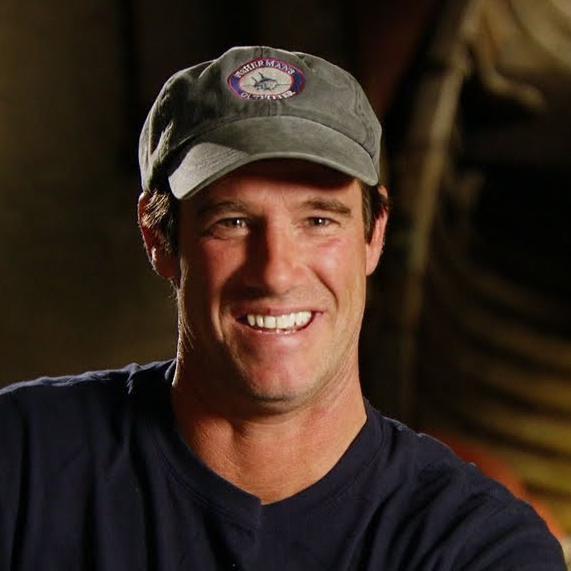
Paul Hebert’s BIOSCAN program is a groundbreaking initiative that seeks to understand and document the diversity of life on our planet. Launched with the ambitious goal of cataloging the world’s species, BIOSCAN represents a collaborative effort to bridge the gap in our understanding of the natural world. By harnessing the power of DNA barcoding, a technique developed by Hebert himself, BIOSCAN aims to provide a comprehensive framework for identifying and classifying species.
A Comprehensive Approach to Biodiversity
The BIOSCAN program is a vast undertaking that involves researchers from around the globe in a shared effort to explore and document the world’s biodiversity. By leveraging the latest advances in molecular biology, BIOSCAN aims to create a shared database of species, allowing scientists to better understand the complex relationships between different species and their environments. This comprehensive approach has the potential to revolutionize our understanding of the natural world, providing new insights into the intricate web of life that sustains our planet.
A Leader in Academic Administration

In this position, Hebert was responsible for overseeing research initiatives, fostering collaboration among faculty members, and promoting the university’s research agenda. His experience in academic administration has been instrumental in advancing the field of molecular biology, particularly in the development of DNA barcoding. Hebert’s leadership style is characterized by his ability to bring together diverse stakeholders, foster a culture of innovation, and drive research excellence. His commitment to academic administration has had a lasting impact on the scientific community, inspiring future generations of researchers and administrators.
| Biography Aspect | Details |
|---|---|
| Full Name | Paul Hebert |
| Nationality | Canadian |
| Occupation | Biologist, Academic Administrator |
| Notable Works / Achievements | Founder of the BIOSCAN global research program, DNA barcoding |
| Career Highlights | Founder of the BIOSCAN global research program, contributions to molecular biology |
As a seasoned academic administrator, Hebert has demonstrated a deep understanding of the complexities of research and education. He has a proven track record of successfully managing research programs, building partnerships, and promoting interdisciplinary collaboration. His expertise in academic administration has been invaluable in shaping the direction of research initiatives and programs, ultimately contributing to the advancement of knowledge in the field of molecular biology.
Awards and Recognition in the Scientific Community

Paul Hebert’s contributions to science have not gone unnoticed, earning him numerous accolades within the scientific community. He has received recognition for his pioneering work in molecular biology, particularly in the development of DNA barcoding. This innovative method has revolutionized the field of species identification, enabling researchers to quickly and accurately determine the genetic makeup of organisms.
One of the most notable awards he has received is the International Prize for Biology, a prestigious honor bestowed upon individuals who have made significant contributions to the field of biology. Additionally, Hebert has been recognized for his leadership and vision in the scientific community, earning him a spot on the Royal Society of Canada’s College of New Scholars, Artists and Scientists. These distinctions reflect the impact of his work and his commitment to advancing our understanding of the natural world. His dedication to the field of molecular biology has left a lasting legacy, inspiring future generations of researchers and scientists.
Personal Life and Legacy
Paul Hebert’s personal life is a testament to his dedication to his work and his loved ones. While he prefers to keep his family life out of the spotlight, it is clear that his relationships with his loved ones have played a significant role in shaping his perspective as a scientist. As a devoted husband and father, Hebert’s family has been his rock, supporting him through the ups and downs of his illustrious career.
A Legacy of Discovery and Innovation
Hebert’s legacy extends far beyond his impressive list of scientific achievements. As a pioneer in the field of molecular biology, he has left an indelible mark on the scientific community. His contributions to the field of DNA barcoding have revolutionized the way we identify species, and his vision for a comprehensive catalog of the world’s biodiversity has inspired a new generation of scientists. Hebert’s commitment to making a positive impact on the world is evident in his work, and his legacy will continue to inspire scientists and researchers for years to come.
Impact and Future Directions
The BIOSCAN program has the potential to revolutionize our understanding of the natural world by providing a comprehensive catalog of the Earth’s biodiversity. This ambitious initiative aims to identify and classify all species on the planet, which is a daunting task considering the estimated 8.7 million species that exist. By leveraging cutting-edge DNA barcoding technology, BIOSCAN will enable scientists to accurately identify species, which will have far-reaching implications for fields such as conservation, ecology, and medicine.
The BIOSCAN program’s impact will extend beyond the scientific community, as it will also inform policy decisions and guide conservation efforts. For instance, by identifying species that are on the brink of extinction, policymakers can develop targeted strategies to protect these species and their habitats. Additionally, BIOSCAN’s findings will help to identify areas of high biodiversity, which can inform sustainable land-use practices and reduce the risk of extinctions. As the program continues to evolve, it is likely that new technologies and methodologies will be developed to enhance its capabilities and expand its scope.
Looking ahead, BIOSCAN’s future directions will be shaped by advances in DNA sequencing technology, machine learning algorithms, and data analytics. As these technologies continue to improve, they will enable scientists to process and analyze vast amounts of genomic data, which will be essential for refining species identifications and understanding the complex relationships between species and their environments. By pushing the boundaries of what is possible in species identification and classification, BIOSCAN will continue to inspire new generations of scientists and conservationists, ultimately contributing to a deeper understanding of the natural world and our place within it.