




Jimmy Dorsey, the renowned American jazz clarinetist, saxophonist, composer, and big band leader, left an indelible mark on the music world. Born on February 29, 1904, Dorsey’s life was a testament to his unwavering passion for jazz. With a career spanning over two decades, he composed and recorded numerous iconic songs, including “I’m Glad There Is You (In This World of Ordinary People)” and “It’s the Dreamer in Me”. As a master of the clarinet and saxophone, Dorsey’s contributions to jazz standards like “Singin’ the Blues” and “Georgia on My Mind” are still revered today. Despite his untimely passing on June 12, 1957, at the age of 53, Jimmy Dorsey’s net worth and enduring legacy continue to inspire new generations of music enthusiasts.
A Musical Legacy Born on Leap Day
James Francis Dorsey, better known as Jimmy Dorsey, was born on a day that occurs only once every four years – February 29, 1904. This unique birthdate would later become a defining characteristic of his life and career. Born into a musical family, Jimmy’s early life was filled with the sounds of music, which would eventually shape his future as a renowned jazz clarinetist and saxophonist.
Growing up in a family of musicians, Jimmy was exposed to a wide range of musical influences from a young age. His father, Francis Dorsey, was a musician and composer, and his brother, Tommy Dorsey, would later become a famous trombonist and bandleader. This musical upbringing would lay the foundation for Jimmy’s future success as a jazz musician. As he grew older, Jimmy’s passion for music only intensified, and he began to develop his skills as a clarinetist and saxophonist.
Jimmy’s early life was marked by a strong musical heritage, which would eventually lead him to become one of the most influential jazz musicians of his time. His unique birthdate, combined with his family’s musical background, set the stage for a life filled with music and creativity.
Crafting a Jazz Sound
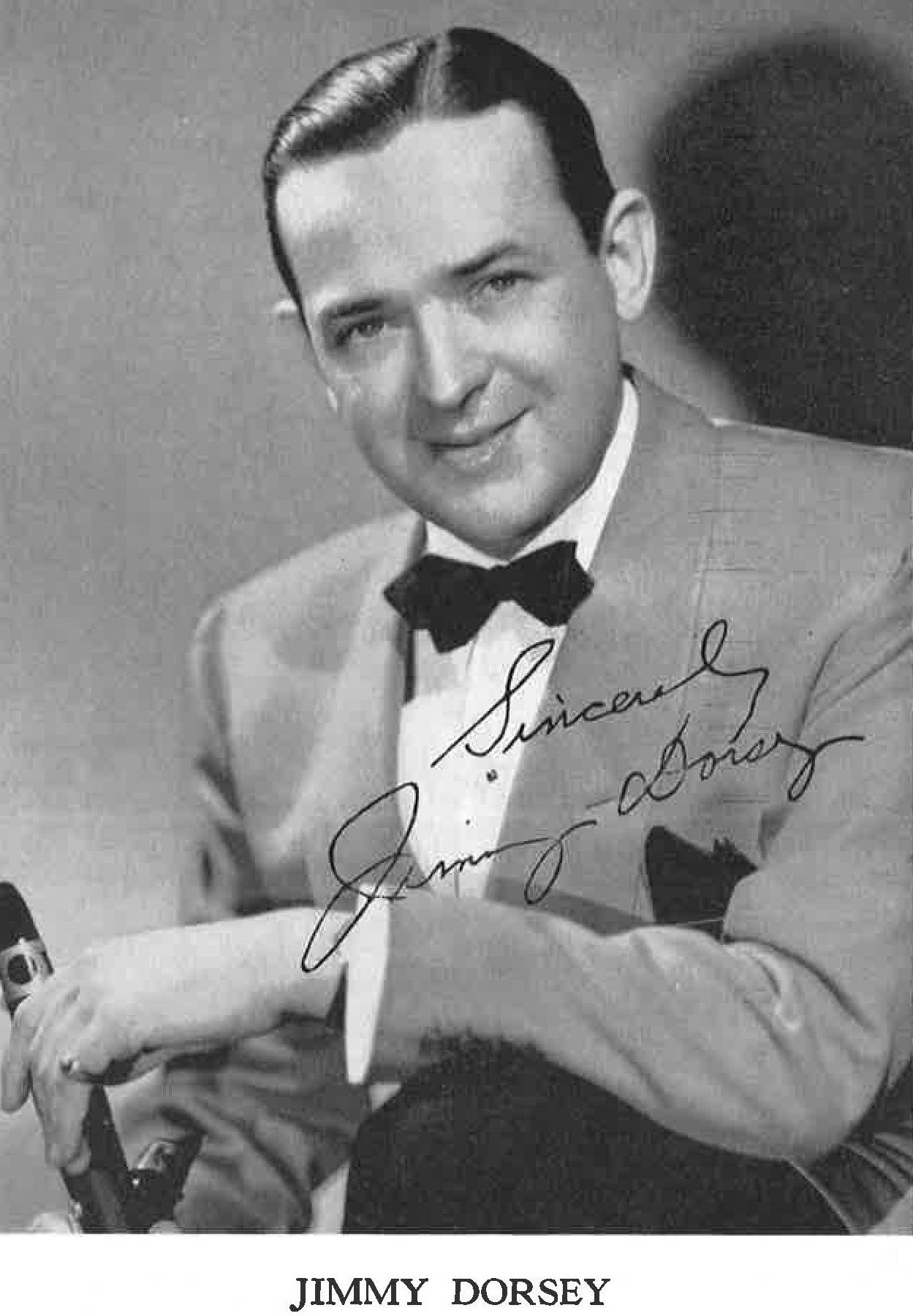
Jimmy Dorsey’s musical journey was marked by a relentless pursuit of innovation and a deep understanding of the jazz genre. As a young musician, he began to develop his unique style, which would eventually set him apart from his contemporaries. Dorsey’s early professional experiences were shaped by his time in the Paul Whiteman Orchestra, where he honed his skills as a clarinetist and saxophonist. This exposure to the jazz scene and its leading figures had a profound impact on his musical development.
As Dorsey continued to grow as a musician, he began to assert his own identity within the jazz world. He was drawn to the clarinet, an instrument that would become synonymous with his sound, and he spent countless hours perfecting his technique. This dedication paid off, as Dorsey’s playing style became increasingly distinctive and influential. His unique approach to the clarinet helped to shape the sound of jazz in the 1920s and 1930s, leaving an indelible mark on the genre.
Throughout his career, Dorsey’s commitment to his craft remained unwavering. He was a true original, always seeking to push the boundaries of what was possible within the jazz idiom. As a result, his music continues to be celebrated for its innovative spirit and technical mastery. Despite the challenges he faced, Dorsey remained true to his artistic vision, and his legacy as a jazz legend has endured for generations.
The Hits That Defined a Generation

Jimmy Dorsey’s contributions to jazz music are etched in the annals of history through his iconic compositions and recordings. One of his most enduring songs is “I’m Glad There Is You (In This World of Ordinary People)”, a melancholic ballad that showcases his mastery of melody and harmony. Another notable composition is “It’s the Dreamer in Me”, a poignant reflection on the human experience that has captivated audiences for generations.
| Biography Aspect | Details |
|---|---|
| Full Name | James Francis Dorsey |
| Date of Birth | February 29, 1904 |
| Age | 53 years (at death) |
| Place of Birth | Shenandoah, Iowa, USA |
| Nationality | American |
| Occupation | Jazz Clarinetist, Saxophonist, Composer, Big Band Leader |
| Notable Works / Achievements | “I’m Glad There Is You (In This World of Ordinary People)”, “It’s the Dreamer in Me”, “Singin’ the Blues”, “Georgia on My Mind” |
| Date of Death | June 12, 1957 |
| Notable Recordings | “Tailspin”, “John Silver”, “So Many Times”, “Amapola”, “Brazil (Aquarela do Brasil)”, “Pennies from Heaven”, “Grand Central Getaway”, “So Rare” |
In addition to these timeless classics, Dorsey’s repertoire includes a range of other notable songs, such as “Tailspin”, “John Silver”, and “So Many Times”. His ability to craft memorable melodies and harmonies was a hallmark of his style, and his music continues to inspire and influence musicians to this day. Whether performing as a soloist or as the leader of his big band, Dorsey’s clarinet playing was always a highlight of his recordings, imbuing his music with a sense of elegance and sophistication.
Dorsey’s collaborations with other artists also yielded some of his most memorable recordings. For example, his rendition of “Pennies from Heaven” with Bing Crosby, Louis Armstrong, and Frances Langford is a standout example of his ability to bring out the best in his fellow musicians. Similarly, his recording of “Grand Central Getaway” showcases his skill as a composer and arranger, crafting a sense of energy and momentum that propels the listener forward.
Collaborations and Recordings with the Greats
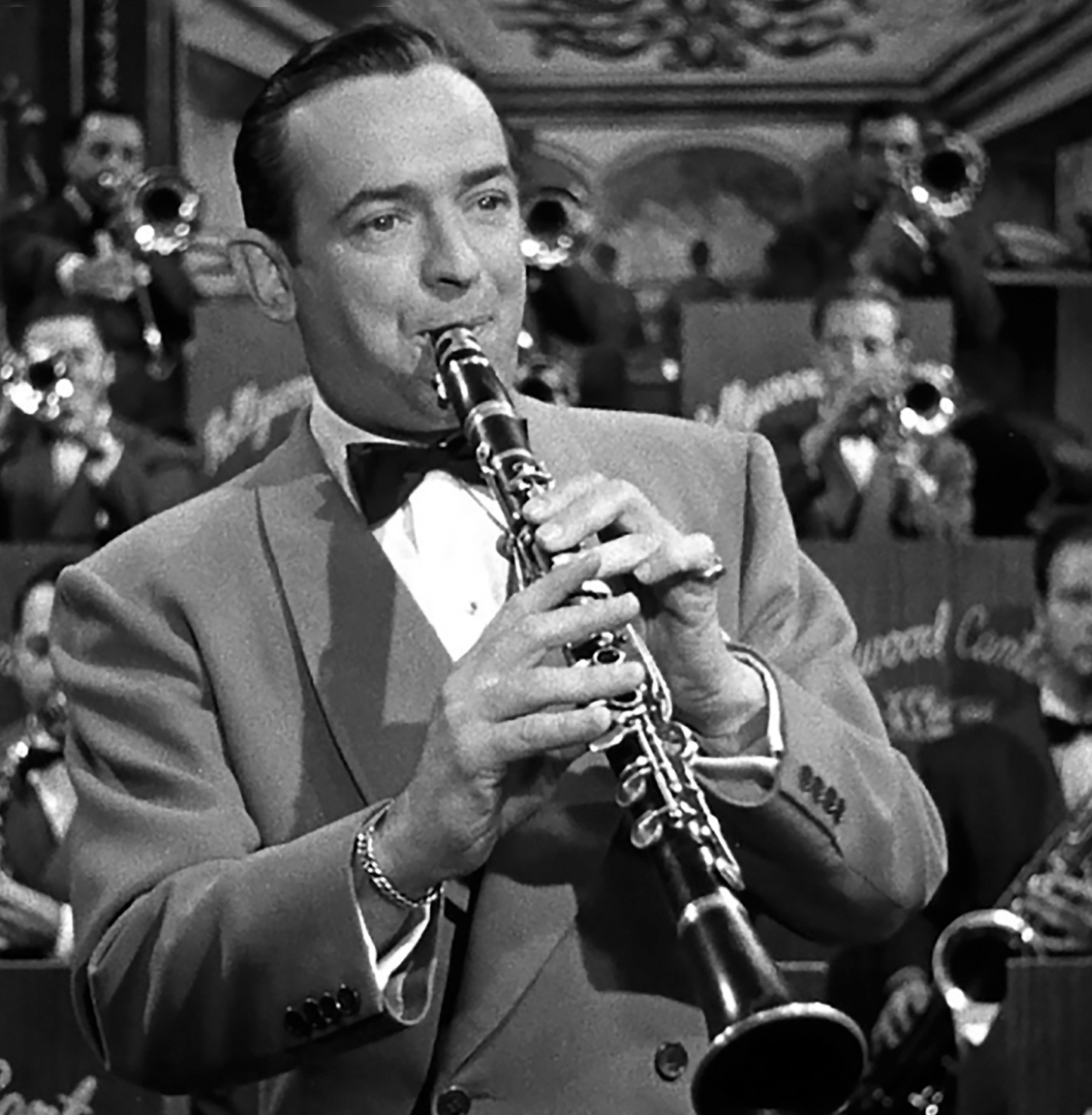
Jimmy Dorsey’s collaborations with renowned artists are a testament to his versatility as a musician. He recorded “Pennies from Heaven” with Bing Crosby, a legendary vocalist known for his smooth baritone voice. This classic song, written by Raymond B. Egan and Jay Gorney, has become an iconic jazz standard. Another notable collaboration was with Louis Armstrong, a jazz trumpeter and singer who was instrumental in popularizing jazz music. Dorsey’s big band also featured Frances Langford, a popular singer and actress of the 1940s and 1950s.
Dorsey’s recordings with these talented artists not only showcased his musical abilities but also helped to establish him as a prominent figure in the jazz scene. One of his most memorable recordings was “Grand Central Getaway,” a lively tune that featured the talents of his orchestra. This song, along with others like “Tailspin” and “John Silver,” demonstrated Dorsey’s ability to craft catchy and memorable melodies. His music was a staple of the big band era, and his collaborations with other artists helped to cement his place in jazz history.
As a composer and arranger, Dorsey was known for his ability to create music that was both catchy and sophisticated. His songs, such as “I’m Glad There Is You (In This World of Ordinary People)” and “It’s the Dreamer in Me,” have become jazz standards that continue to be performed and recorded by musicians today. Dorsey’s legacy as a jazz legend is a testament to his tireless work ethic and his dedication to his craft. His music continues to be celebrated by fans of jazz around the world.
The Clarinetist’s Touch on Jazz Standards
Jimmy Dorsey’s contributions to seminal jazz standards are a testament to his skill as a clarinetist and saxophonist. One notable example is his work on the 1927 recording of “Singin’ the Blues”, a song that has become an iconic representation of the jazz genre. This recording not only showcased Dorsey’s technical ability but also helped to establish him as a leading figure in the jazz world.
Dorsey’s impact on jazz standards is also evident in his work on the original 1930 recording of “Georgia on My Mind”. This song, which would go on to be inducted into the Grammy Hall of Fame, features Dorsey’s clarinet playing prominently and is a prime example of his ability to bring a unique touch to classic jazz compositions. The success of these recordings, and others like them, solidified Dorsey’s position as a respected and influential figure in the jazz world.
A Legacy Inducted into the Grammy Hall of Fame
Jimmy Dorsey’s contributions to jazz music have been recognized and celebrated through various accolades. One of the most notable recognitions is his induction into the Grammy Hall of Fame. This prestigious honor acknowledges the enduring impact of his music on future generations. “Singin’ the Blues”, a seminal jazz standard recorded in 1927, and the original 1930 recording of “Georgia on My Mind” are two notable examples of his work that have been inducted into the Grammy Hall of Fame.
Dorsey’s legacy extends beyond his own recordings, as he played a significant role in shaping the sound of jazz during its golden era. His unique style and approach to music have influenced countless musicians, leaving a lasting impact on the genre. The Grammy Hall of Fame induction is a testament to the timeless quality of his music, which continues to inspire and delight audiences today.
Dorsey’s music has stood the test of time, and his contributions to jazz continue to be celebrated by music enthusiasts around the world. His induction into the Grammy Hall of Fame is a well-deserved recognition of his dedication to the art form and his enduring influence on the jazz genre.
A Personal Life and Marriage
Jimmy Dorsey’s personal life was marked by a series of marriages and relationships that often overlapped with his professional endeavors. He married twice, first to Polly Doughty in 1928, with whom he had a son, Jimmy Dorsey Jr., and later to Nan Collins in 1943. His relationships with women often found a balance between his professional and personal life, with many of his romantic interests being connected to the entertainment industry.
Dorsey’s marriage to Polly Doughty was a significant part of his early life, and the couple had a son together in 1932. However, the marriage ultimately ended in divorce. His second marriage to Nan Collins was a more long-lasting partnership, but like his first marriage, it also ended in divorce. Despite his tumultuous personal life, Dorsey’s relationships with women often seemed to inspire his music, with many of his songs reflecting a sense of longing and romance.
Despite the challenges he faced in his personal life, Dorsey’s relationships with women often played a significant role in shaping his music and artistic vision. His collaborations with female vocalists, such as Frances Langford, also showcased his ability to work with a range of talented artists and create memorable music.
A Lasting Impact on Jazz Music
Jimmy Dorsey’s legacy as a jazz legend has left an indelible mark on the music world. His contributions to the genre have inspired countless musicians, and his influence can still be felt today. As a clarinetist, saxophonist, and composer, Dorsey’s unique sound and style paved the way for future generations of jazz musicians. His ability to seamlessly blend traditional and modern elements has made his music timeless, continuing to captivate audiences around the world.
Dorsey’s impact on jazz music is evident in the numerous artists who have been influenced by his work. His innovative approach to composition and arrangement has inspired many, and his music has been covered and reinterpreted by countless other artists. “I’m Glad There Is You (In This World of Ordinary People)” and “It’s the Dreamer in Me” are just two examples of his enduring compositions, which have become jazz standards in their own right. These songs, along with others like “Tailspin” and “Amapola”, demonstrate Dorsey’s ability to craft memorable melodies and harmonies that continue to resonate with listeners.
Dorsey’s influence extends beyond his own music, as well. His contributions to seminal jazz standards like “Singin’ the Blues” and the original 1930 recording of “Georgia on My Mind” have cemented his place in the history of jazz. These recordings, inducted into the Grammy Hall of Fame, demonstrate Dorsey’s skill as a musician and his ability to create music that stands the test of time. As a result, Jimmy Dorsey’s legacy continues to inspire and influence musicians to this day, ensuring that his music remains a vital part of the jazz tradition.