



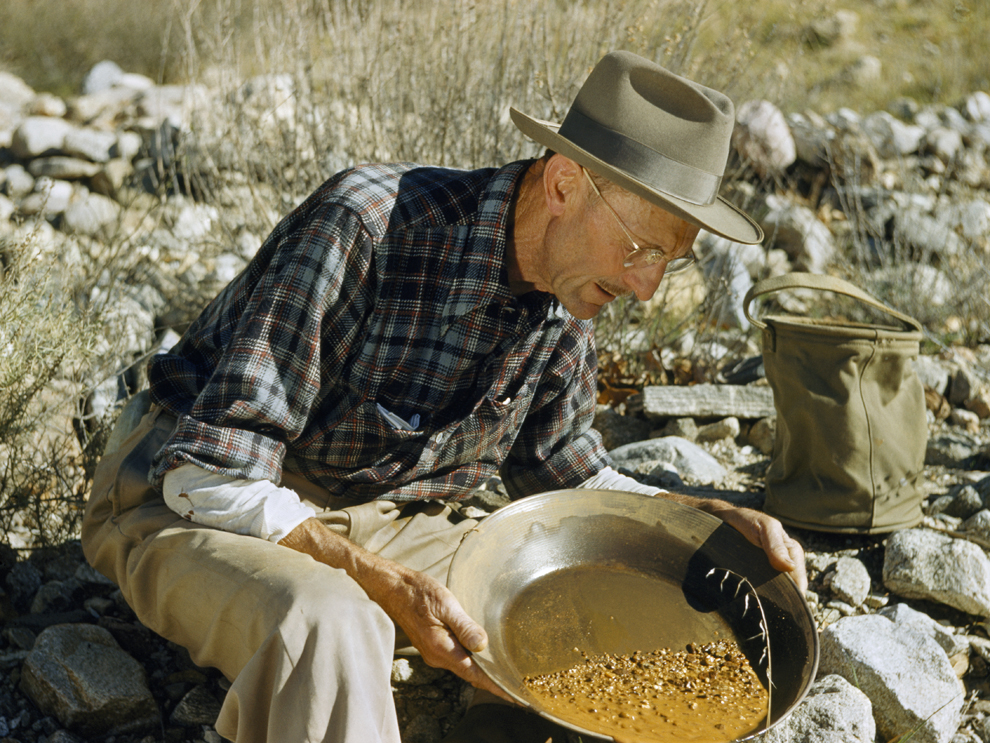
The 19th century’s most pivotal economic event, the gold rush, was a century-long gold fever that captivated the world’s imagination and transformed the global economy. A discovery of gold that brought an influx of miners seeking their fortune, gold rushes took place in various parts of the world, including Australia, Greece, Venezuela, New Zealand, Brazil, Chile, South Africa, the United States, and Canada. This phenomenon, which began in the mid-1800s, had a profound impact on the world’s economy and history, stimulating global trade and investment, and creating unprecedented wealth for some individuals and businesses. The gold rush’s legacy continues to shape the world’s economy and culture today.
The Discovery and Onrush of Miners
The discovery of gold sparks a frenzy of excitement, drawing thousands of prospectors to remote regions in search of their fortune. Gold fever takes hold, as news of the discovery spreads rapidly, fueled by word of mouth and the promise of untold riches. The initial excitement is palpable, as people from all walks of life, driven by the prospect of striking it rich, flock to the goldfields.
As the news of the gold discovery spreads, a rapid influx of miners begins to pour into the affected areas. Prospectors from far and wide arrive, equipped with little more than a pickaxe, shovel, and a determination to strike it big. The goldfields are soon transformed into bustling camps, with makeshift shelters, tents, and trading posts springing up to cater to the needs of the miners. The air is filled with the sound of pickaxes striking rock, as the diggers work tirelessly to uncover the precious metal.
The gold rush is a phenomenon that transcends borders and cultures, drawing people from all corners of the globe to the goldfields. From Australia to the United States, and from South Africa to South America, the gold rush is a global event that brings together people from diverse backgrounds, united by a common goal: to find their fortune in the goldfields. As the gold rush gains momentum, the goldfields become a hub of activity, with miners, traders, and entrepreneurs all vying for a share of the riches.
Major Gold Rushes Around the World
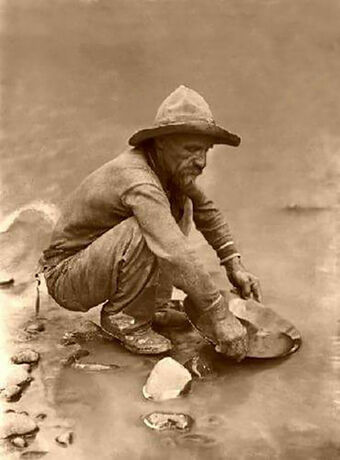
In the 19th century, a series of major gold rushes took place around the world, transforming the global economy and shaping the modern world. Australia’s Victorian Gold Rush, which began in 1851, is one of the most significant gold rushes in history. It brought an influx of miners to the country, leading to the establishment of new towns and cities. The gold rush in Greece, which started in 1848, also had a profound impact on the country’s economy and society.
Other notable gold rushes took place in Venezuela (1870s), New Zealand (1861), Brazil (1690-1720 and 1820-1840), Chile (1850s), and South Africa (1886). These gold rushes brought economic growth and development to these countries, stimulating global trade and investment. In the United States, the California Gold Rush (1848-1855) and the Alaska Gold Rush (1897-1899) were two of the most significant gold rushes in the country’s history, leading to the establishment of new industries and the transformation of the world economy.
In Canada, the Klondike Gold Rush (1896-1899) brought a massive influx of miners to the Yukon, leading to the establishment of new towns and cities. These gold rushes had a lasting impact on the global economy, shaping the modern world and influencing economic development for centuries to come.
The Economic Impact of the Gold Rush

The discovery of gold in the 19th century brought about a significant redistribution of wealth. The wealth that resulted was distributed widely because of reduced migration costs and low barriers to entry. This allowed people from various backgrounds to participate in the gold rush, creating a diverse group of miners and entrepreneurs. The ease of entry into the gold rush also led to a surge in investment, as people from different parts of the world put their money into the industry.
| Biography Aspect | Details |
|---|---|
| Subject | Gold Rush |
| Date of Discovery | 19th century |
| Place of Discovery | Australia, Greece, Venezuela, New Zealand, Brazil, Chile, South Africa, the United States, and Canada |
| Occupation | Miner |
| Net Worth | Varies (dependent on individual success) |
| Notable Works / Achievements | Major gold rushes in the 19th century, stimulated global trade and investment |
| Notable Details | Reduced migration costs and low barriers to entry, widespread distribution of wealth |
The resulting increase in the world’s gold supply had a profound impact on global trade and investment. The increase in the world’s gold supply stimulated global trade and investment, as the availability of gold led to an expansion of international commerce. Merchants and transportation facilities also made large profits from the gold rush, further fueling economic growth. The gold rush played a significant role in shaping the modern world economy, laying the groundwork for the development of new industries and the expansion of global trade.
The economic impact of the gold rush was far-reaching, with its effects still felt today. The gold rush of the 19th century marked a significant turning point in economic history, as it stimulated growth and investment on a global scale. The resulting increase in the world’s gold supply helped to establish the gold standard, which dominated international trade and finance for much of the 20th century. The legacy of the gold rush continues to shape the modern world economy, with its impact still felt in the global trade and investment landscape.
The Legacy of the Gold Rush

The gold rush had a profound impact on global trade and investment, transforming the world economy in the process. The resulting increase in the world’s gold supply stimulated international trade, as countries with gold reserves were able to expand their economies and invest in new industries. This, in turn, led to the rise of new industries, such as banking and finance, which were able to capitalize on the increased wealth and trade.
As the gold rush brought a surge of new wealth into the global economy, it also led to the development of new economic systems and institutions. The gold standard, which linked the value of a country’s currency to the value of gold, became a widely accepted system of exchange, facilitating international trade and investment. The gold rush also led to the growth of new industries, such as transportation and communication, which were able to take advantage of the increased trade and investment.
The gold rush’s impact on global trade and investment was felt for decades to come, shaping the modern world economy in lasting ways. The gold rush helped to establish the United States as a major economic power, and its legacy can still be seen in the country’s continued status as a global economic leader. The gold rush also played a significant role in the development of other countries, such as Australia and Canada, which were able to capitalize on their gold reserves and establish themselves as major economic players.
Historical Significance and Impact
The gold rush played a pivotal role in shaping the modern world, leaving an indelible mark on economic development and societal structures. The discovery of gold sparked a global phenomenon, drawing millions of people to remote areas in search of fortune. This mass migration had far-reaching consequences, contributing to the growth and expansion of various industries, including transportation, trade, and commerce. As the world’s gold supply increased, so did the opportunities for investment and economic growth, laying the groundwork for the modern global economy.
The gold rush’s influence on economic development cannot be overstated. The resulting increase in global trade and investment stimulated economic growth, creating new opportunities for businesses and individuals alike. The reduced migration costs and low barriers to entry allowed people from diverse backgrounds to participate in the gold rush, contributing to the distribution of wealth and the growth of new industries. As the gold rush came to an end, the economic legacy continued to shape the world, paving the way for the development of new industries and the transformation of the global economy.
The lasting impact of the gold rush on society is a testament to its enduring significance. The gold rush’s influence can be seen in the modern-day economic landscape, where the principles of free trade, investment, and entrepreneurship continue to shape the global economy. As the world continues to evolve, the gold rush remains an important chapter in the history of economic development, serving as a reminder of the power of human ingenuity and the potential for economic growth.
Conclusion: A Century-Long Gold Fever
A century-long gold fever swept across the globe, leaving an indelible mark on economic history. The gold rush, a phenomenon characterized by the rapid influx of miners seeking their fortune, played a pivotal role in shaping the modern world. The resulting increase in the world’s gold supply stimulated global trade and investment, as the wealth generated by gold mining was distributed widely due to reduced migration costs and low barriers to entry.
The gold rush’s significance extends beyond its economic impact. It transformed the world economy, laying the groundwork for the rise of new industries and the growth of global trade. The gold rush also influenced economic development, as the influx of capital and the expansion of transportation networks facilitated the growth of new markets and industries. As the world continues to grapple with the challenges of economic development, the gold rush serves as a reminder of the power of innovation and investment to drive growth and prosperity.
The gold rush’s legacy continues to be felt today, as investors and entrepreneurs seek to capitalize on emerging markets and new technologies. The gold rush’s impact on global trade and investment has been lasting, with many of the industries and markets that emerged during this period continuing to shape the global economy. As we look to the future, it is clear that the gold rush’s significance will only continue to grow, serving as a reminder of the power of human ingenuity and the importance of investing in innovation and growth.