



Earl Watson is a renowned figure in the world of professional basketball, boasting a storied career that spans over a decade in the National Basketball Association (NBA). As a former player and current assistant coach, Watson has left an indelible mark on the sport. Born on June 12, 1979, in Kansas City, Kansas, USA, Watson’s journey to the NBA began with a standout collegiate career at UCLA, where he set multiple records, including most starts by a true freshman. Drafted 40th overall in the 2001 NBA Draft by the Seattle SuperSonics, Watson’s playing career took him to numerous teams, cementing his legacy as a dedicated and accomplished athlete.
From Kansas City to the NBA: Earl Watson’s Early Life and Education
Earl Watson was born on June 12, 1979, in Kansas City, Kansas, USA. Growing up in the Midwest, Watson developed a strong passion for basketball from an early age. His family background played a significant role in shaping his interests and values. Watson’s early life laid the foundation for his future success in the sport.
As a young athlete, Watson’s focus on basketball was evident. He attended Pembroke Hill School in Kansas City, where he honed his skills and developed a strong work ethic. This dedication would serve him well in his future endeavors. Watson’s academic pursuits were also notable, as he demonstrated a commitment to his studies while excelling on the court. His hard work and determination set him on a path that would eventually lead him to the National Basketball Association (NBA).
Watson’s educational journey continued at the University of California, Los Angeles (UCLA), where he would go on to achieve great success. His time at UCLA was marked by outstanding achievements, including being named a senior tri-captain and setting multiple school records. However, for now, we focus on Watson’s early life and education, highlighting the key factors that contributed to his development as a young athlete.
Breaking Records at UCLA: Earl Watson’s College Basketball Career
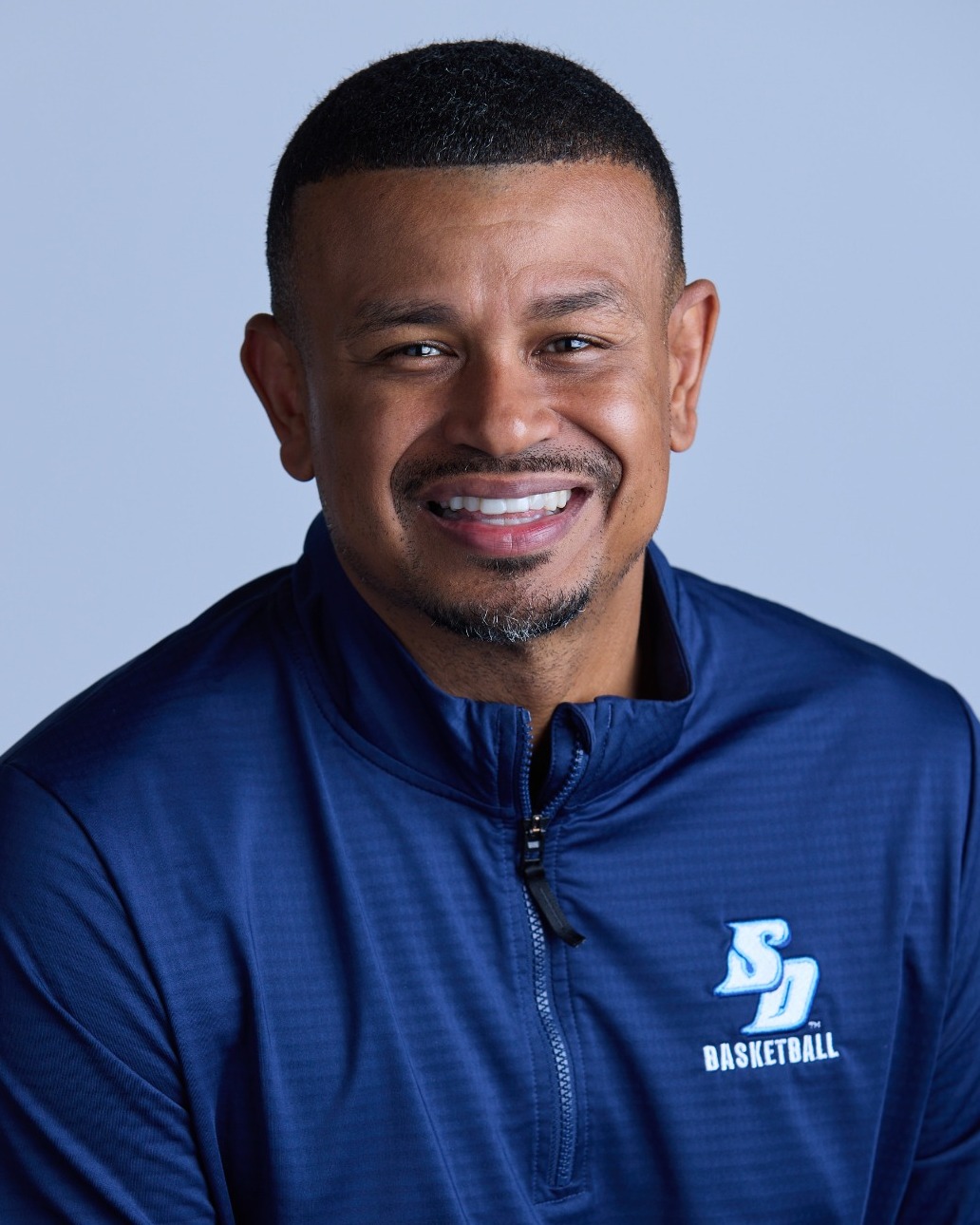
At the University of California, Los Angeles (UCLA), Earl Watson made a lasting impact on the Bruins’ basketball program. As a standout player, Watson was named a senior tri-captain, a testament to his leadership skills and dedication to the team. He started every game for three consecutive years, a remarkable feat that showcased his consistency and work ethic.
Watson’s impressive college career was marked by several notable achievements. He holds the school record for most starts by a true freshman, a distinction that highlights his exceptional talent and ability to adapt to the collegiate level. This achievement is a testament to his hard work and dedication to the sport. As a result of his outstanding performance, Watson earned a spot in the UCLA record books, cementing his legacy as one of the program’s most accomplished players.
Watson’s time at UCLA was marked by numerous accolades, and his commitment to the team was unwavering. His impressive college career laid the foundation for his future success in the NBA, where he would go on to play for several teams and establish himself as a reliable and skilled player.
A 13-Year NBA Journey: Earl Watson’s Professional Basketball Career
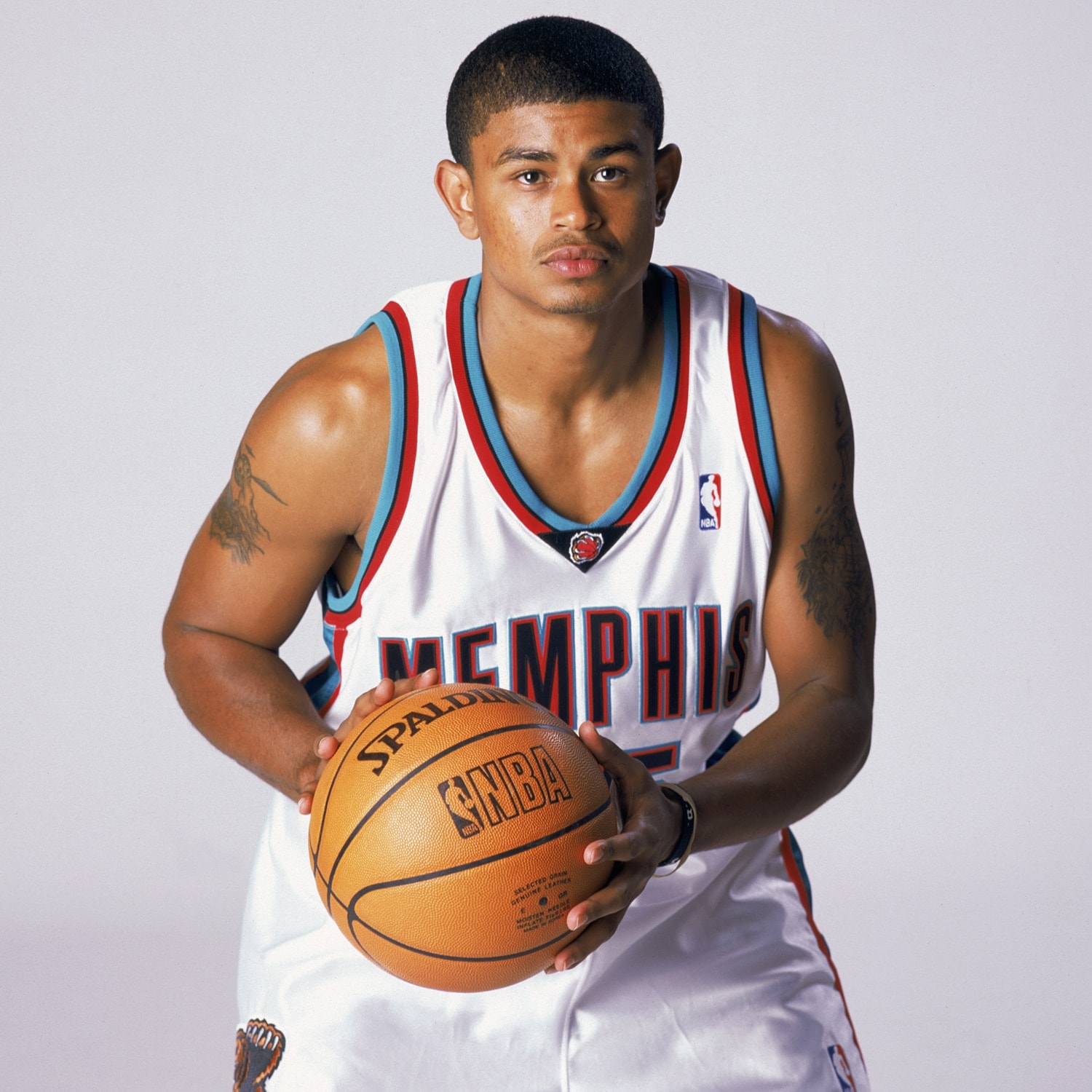
Earl Watson’s 13-year NBA journey was marked by stops in several teams, including the Seattle SuperSonics, Memphis Grizzlies, and Portland Trail Blazers. He was drafted 40th overall in the 2001 NBA Draft by the Seattle SuperSonics, beginning his professional basketball career in the league. Watson’s time in the NBA was a testament to his hard work and dedication, as he played for multiple teams and adapted to new environments.
| Biography Aspect | Details |
|---|---|
| Full Name | Earl Joseph Watson |
| Date of Birth | June 12, 1979 |
| Age | 44 years |
| Place of Birth | Kansas City, Kansas, USA |
| Nationality | American |
| Occupation | Former Professional Basketball Player, Assistant Coach |
| Education | UCLA |
| Notable Works / Achievements | 13-year NBA career, 2001 NBA Draft (40th overall), Senior tri-captain at UCLA |
| Career Highlights | Played for Seattle, Memphis, Denver, Oklahoma City, Indiana, Utah, and Portland Trail Blazers |
Watson’s career was not without notable milestones. He played for the Denver Nuggets, Oklahoma City Thunder, and Indiana Pacers, showcasing his ability to fit in with different team dynamics. His time with the Utah Jazz was also significant, as he contributed to the team’s efforts during his tenure. Watson’s NBA experience was a culmination of his years of training and development, which ultimately led to his successful 13-year career in the league.
Throughout his NBA career, Watson was part of several teams that played in significant games. His experience in the league was marked by numerous challenges and opportunities, which he navigated with skill and determination. Watson’s longevity in the NBA is a testament to his perseverance and commitment to the sport.
From Player to Coach: Earl Watson’s Transition to Assistant Coaching
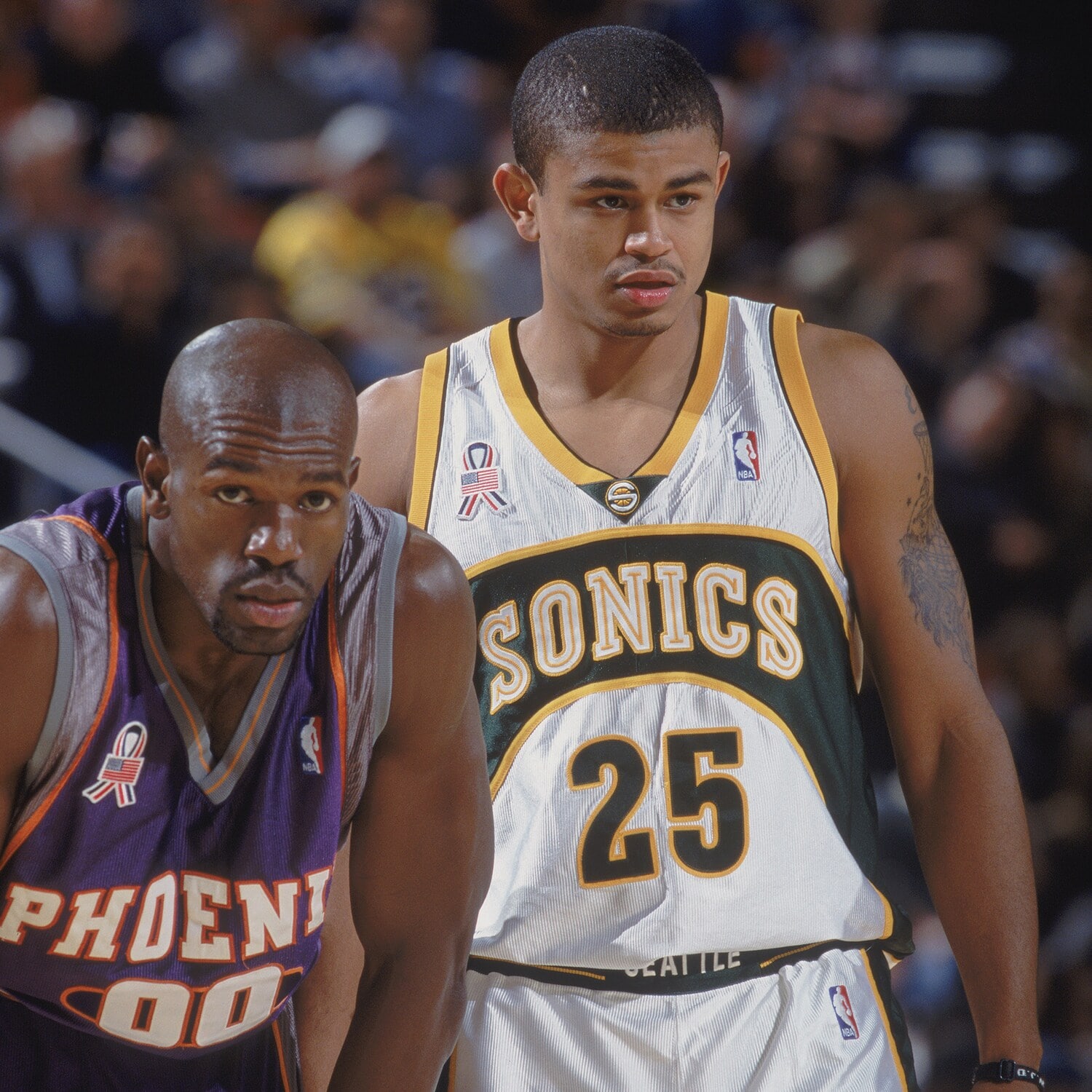
Earl Watson’s transition to assistant coaching marked a significant milestone in his basketball career. After playing in the NBA for 13 years, Watson began his coaching journey. He started as an assistant coach for the Memphis Grizzlies, a team he had previously played for during his playing career. This experience provided him with valuable insight into the game and allowed him to develop his coaching skills.
Watson’s next move was to the Portland Trail Blazers, where he served as an assistant coach under head coach Terry Stotts. During his tenure with the Trail Blazers, Watson played a significant role in the team’s development, helping to shape the young players and contribute to the team’s success. His experience as a player and coach made him an invaluable asset to the team.
Watson’s coaching career has been marked by his ability to connect with players and help them grow both on and off the court. His experience as a player in the NBA and his subsequent transition to coaching have given him a unique perspective on the game. As an assistant coach, Watson continues to make a positive impact on the teams he works with, using his knowledge and experience to help players reach their full potential.
Behind the Scenes: Earl Watson’s Life Off the Court
Earl Watson’s personal life is marked by a strong commitment to his family. He is married, and the couple has been together for many years, raising a family that is close-knit and supportive. Watson’s family has been a constant source of encouragement throughout his basketball career, and he often credits them with helping him stay grounded and focused on his goals.
In his free time, Watson enjoys a variety of activities that allow him to relax and recharge. He is an avid outdoorsman and enjoys spending time in nature, whether it’s hiking, camping, or simply taking a walk in the woods. Watson is also a music lover and has a particular fondness for jazz and blues. He has been known to attend concerts and festivals featuring his favorite artists, and he often finds inspiration in the improvisational nature of these genres.
Watson’s family and personal interests play a significant role in his life, and he values the time he spends with loved ones above all else. His dedication to his family and his passions outside of basketball has helped him maintain a sense of balance and perspective, even in the midst of a demanding career. Watson’s commitment to his loved ones is a testament to his character and his ability to prioritize what truly matters in life.
Legacy and Impact: Earl Watson’s Lasting Influence on Basketball
Earl Watson’s legacy extends far beyond his impressive 13-year NBA career. As a respected figure in the basketball world, he has made a lasting impact on the game. His dedication to the sport is evident in his commitment to mentoring and coaching the next generation of players. Watson’s experience as a player and assistant coach has given him a unique perspective on the game, allowing him to share valuable insights with his teams and players.
As a leader, Watson has demonstrated a strong work ethic and a passion for the game. His ability to connect with players and inspire them to reach their full potential is a testament to his character and leadership skills. Watson’s influence extends beyond the court, as he has become a respected voice in the basketball community. His expertise and knowledge have made him a sought-after speaker and mentor, and he continues to be a valuable resource for players, coaches, and teams.
As the game continues to evolve, Earl Watson’s legacy will remain a significant part of its history. His contributions to the sport have not gone unnoticed, and he will undoubtedly be remembered as a true pioneer in the world of basketball. Watson’s impact on the game will be felt for years to come, as he continues to inspire and mentor the next generation of players and coaches.
Net Worth and Financial Success: Earl Watson’s Financial Journey
As a seasoned NBA player and current assistant coach, Earl Watson has built a successful career that extends beyond the court. His financial journey has been marked by steady growth and smart investments. Watson’s net worth is estimated to be around $10 million, a testament to his hard work and dedication to the sport.
Watson’s financial achievements are a direct result of his 13-year NBA career, during which he earned a significant salary. He also made smart investments, including real estate and business ventures. As a player, Watson was known for his strong work ethic and ability to adapt to different team systems, skills that have served him well in his post-playing career. His experience on the court has provided a solid foundation for his business pursuits, allowing him to navigate the complexities of the sports industry with ease.
In addition to his NBA salary, Watson has also earned money through various endorsement deals and speaking engagements. His reputation as a respected coach and player has made him a sought-after figure in the sports world, opening up new opportunities for financial growth. As he continues to build his coaching career and pursue new business ventures, Watson’s financial success is likely to continue.