




Badshah Khan, also known as Bacha Khan, was a Pakistani activist and leader who left an indelible mark on the Indian independence movement. Born on February 6, 1890, in Utmanzai, Peshawar Valley, Khan Abdul Ghaffar Khan’s life was a testament to his unwavering commitment to social justice and service to humanity. As a prominent figure in the struggle for Indian independence, Khan’s legacy extends far beyond his native Pakistan, inspiring generations of activists and leaders around the world. Despite his passing in 1988, Khan’s impact remains profound, and his story continues to captivate audiences seeking inspiration from a life of courage and conviction.
Early Life and Background
As the fourth child of a large family, Khan was exposed to the values of hard work and dedication from a young age. He was admitted to a mosque at the age of five or six to take lessons from a Mullah, which laid the foundation for his future spiritual and moral development. Later, Khan attended the Municipal Board High School and Edwardes Memorial Mission High School at Peshawar, where he was influenced by his headmaster, Rev. E F E Wigram. Rev. Wigram instilled in Khan the spirit of service to all creatures created by God, a philosophy that would guide Khan’s actions throughout his life.
Khan’s family background and education played a significant role in shaping his values and worldview. His father’s position as a village headman and his mother’s influence likely contributed to Khan’s strong sense of social responsibility and commitment to serving his community.
Career Beginnings
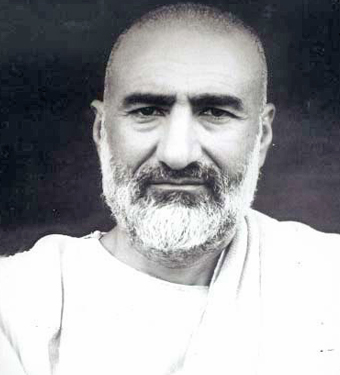
At the age of 17, Khan Abdul Ghaffar Khan began his career as a teacher at the Edwardes Memorial Mission High School in Peshawar. This early profession not only honed his teaching skills but also instilled in him a sense of responsibility towards shaping young minds. He was deeply committed to education and believed that it was a powerful tool for social change. During his time as a teacher, Khan Abdul Ghaffar Khan was exposed to various social and economic issues affecting his community, which would later influence his decision to become an activist.
In 1908, Khan Abdul Ghaffar Khan joined the Non-Cooperation Movement, a non-violent resistance campaign led by Mahatma Gandhi. This marked the beginning of his involvement in the Indian independence movement. He was deeply inspired by Gandhi’s philosophy of non-violence and self-sufficiency, which would become a cornerstone of his own activism. Through his involvement in the movement, Khan Abdul Ghaffar Khan gained valuable experience in organizing and leading groups, skills that would serve him well in his future endeavors.
As Khan Abdul Ghaffar Khan continued to grow in his activism, he began to take on more prominent roles within the movement. He quickly established himself as a charismatic leader, able to rally support and mobilize his community towards a common goal. His early experiences as a teacher and activist laid the foundation for his future success as a leader in the Indian independence movement.
Major Achievements and Success
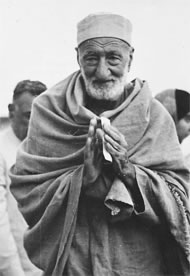
Badshah Khan’s contributions to the Indian independence movement are unparalleled. He was a key figure in the Non-Cooperation Movement, launched by Mahatma Gandhi in 1920, and played a pivotal role in organizing the Khudai Khidmatgar, a non-violent resistance movement against British colonial rule. Khan’s leadership and vision inspired countless Indians to join the struggle for independence, earning him the nickname “Frontier Gandhi.”
| Biography Aspect | Details |
|---|---|
| Full Name | Khan Abdul Ghaffar Khan |
| Date of Birth | February 6, 1890 |
| Place of Birth | Utmanzai, Peshawar Valley |
| Nationality | Pakistani |
| Occupation | Activist, Leader |
| Education | Municipal Board High School, Edwardes Memorial Mission High School |
| Notable Works / Achievements | Played a pivotal role in the Indian independence movement |
| Other Relevant Details | Also known as Badshah Khan or Bacha Khan |
Awards and Recognition
Khan’s dedication to the cause of Indian independence was recognized by the international community. In 1948, he was awarded the Bharat Ratna, India’s highest civilian honor, posthumously. Additionally, he was awarded the Lenin Peace Prize in 1957 for his efforts in promoting peace and non-violence. Khan’s legacy extends beyond his awards and recognition, as his commitment to social justice and human rights continues to inspire people around the world.
Peak Career and Impact
At the height of his career, Khan was a respected leader and a symbol of resistance against British colonial rule. His ability to mobilize people and inspire them to take action was unparalleled. Khan’s influence extended beyond India, as his message of non-violent resistance and social justice resonated with people across the world. His legacy continues to be felt today, as his commitment to human rights and social justice remains a powerful inspiration to people everywhere.
Business Ventures and Investments

Badshah Khan’s entrepreneurial spirit was evident in his leadership of the Khudai Khidmatgar, a non-violent resistance movement that aimed to promote social and economic development in the Northwest Frontier Province of India. Although not a traditional businessman, Khan’s efforts to empower local communities and promote self-sufficiency can be seen as a form of entrepreneurship.
As the leader of the Khudai Khidmatgar, Khan Abdul Ghaffar Khan encouraged his followers to engage in various economic activities, including agriculture, animal husbandry, and handicrafts. He believed that economic empowerment was crucial to achieving social and political freedom. Khan’s emphasis on self-reliance and community development can be seen as a precursor to modern-day social entrepreneurship.
Khan’s business decisions were guided by his commitment to serving the community and promoting social justice. He believed that economic development should be people-centered and that the benefits of growth should be shared equitably among all members of society. Through his leadership of the Khudai Khidmatgar, Khan Abdul Ghaffar Khan demonstrated a unique blend of business acumen and social responsibility, which has inspired generations of entrepreneurs and social activists.
Personal Life
Khan Abdul Ghaffar Khan was the fourth child of Baharam Khan, a village headman, and his wife. His family was deeply rooted in the Pashtun culture, and his father’s position as a village headman instilled in him a strong sense of community responsibility. Khan’s family was known for their commitment to social welfare, and this value was passed down to him through his upbringing.
Marriage and Family Life
In 1913, Khan married Mehar Khatun, a woman from a neighboring village. The couple had four children together, and Khan’s family life was marked by a deep sense of devotion to his loved ones. Khan’s relationship with his children was particularly close, and he often spoke about the importance of family in his life. His children, in turn, were deeply influenced by their father’s values and went on to become involved in his social and political work.
Personal Interests and Hobbies
In his free time, Khan was known to be a devout Muslim and a passionate advocate for non-violent resistance. He was also an avid reader and was deeply influenced by the works of Mahatma Gandhi and other prominent thinkers of the time. Khan’s love of nature and the outdoors was evident in his later years, when he would often retreat to the mountains to reflect and recharge. These personal interests and hobbies played a significant role in shaping his worldview and informing his social and political activism.
Net Worth and Financial Success
Badshah Khan’s financial status was modest, reflecting his commitment to a simple life. As a renowned activist, his primary source of income was not from lucrative business ventures or investments, but from the support of his followers and the Indian National Congress. Despite his prominent role in the Indian independence movement, Khan Abdul Ghaffar Khan never sought to accumulate wealth or material possessions.
His financial independence allowed him to focus on his activism and community service, a testament to his unwavering dedication to the cause. Khan Abdul Ghaffar Khan’s wealth was not measured in terms of his bank balance or assets, but in the impact he had on the lives of those around him. His legacy is a reminder that true wealth lies not in material possessions, but in the positive change one can bring to the world.
Khan Abdul Ghaffar Khan’s financial status remained stable throughout his life, with no recorded instances of significant wealth or financial struggles. His commitment to simplicity and service to others is a lasting testament to his character and values.
Legacy and Impact
Badshah Khan’s remarkable life and activism have left an indelible mark on the world. His unwavering commitment to non-violent resistance and social justice inspired countless individuals, including Mahatma Gandhi, who referred to him as the “Frontier Gandhi.” Khan’s influence extends beyond the Indian independence movement, as he played a pivotal role in shaping the nation’s struggle for freedom.
A Lasting Impact on Social Justice
Khan’s contributions to social justice are a testament to his enduring legacy. He was a vocal advocate for the rights of the poor, the marginalized, and the oppressed. His leadership and activism helped to galvanize the masses, empowering them to demand their rights and challenge the status quo. Khan’s emphasis on non-violent resistance and community-based development has inspired generations of social activists and leaders around the world. His legacy continues to inspire movements for social justice, equality, and human rights.
A Future Outlook on Peace and Harmony
As the world grapples with the complexities of conflict and social inequality, Badshah Khan’s message of peace, harmony, and non-violent resistance remains as relevant today as it was during his lifetime. His unwavering commitment to these principles serves as a powerful reminder of the importance of working towards a more just and equitable world. Khan’s legacy will continue to inspire future generations to strive for a world where all individuals can live in peace, dignity, and respect, free from the constraints of oppression and inequality.