




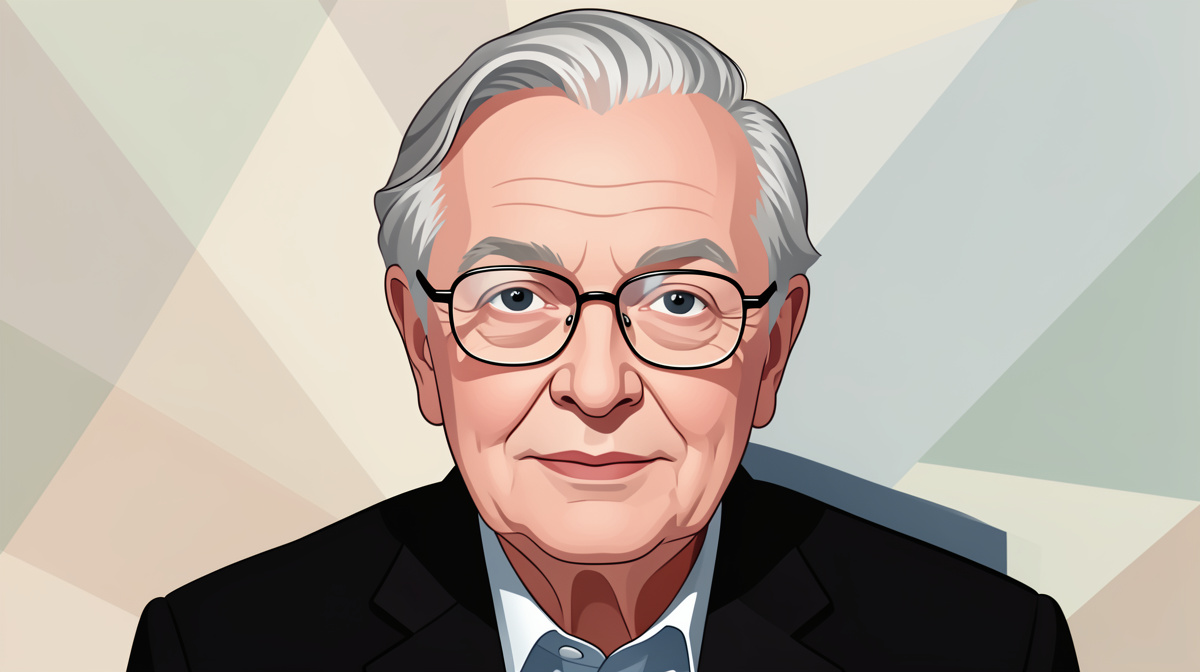
Stephen Hawking, a renowned theoretical astrophysicist and cosmologist, left an indelible mark on the world of science. Born on January 8, 1942, Hawking defied the odds of a debilitating motor neuron disease, which he was diagnosed with at age 21, to become one of the most celebrated minds of our time. As the Lucasian Professor of Mathematics at Cambridge University from 1979 to 2009, Hawking’s groundbreaking research and bestselling books, such as A Brief History of Time, captivated audiences worldwide. His net worth, accumulated through book sales, speaking engagements, and other ventures, stood at an estimated $20 million at the time of his passing.
Early Academic Pursuits
Stephen Hawking was born on 8 January 1942 in Oxford, England, to a family of physicians. His family background was marked by a strong emphasis on medicine, with his father, Dr. Frank Hawking, being a renowned researcher in tropical medicine. This environment likely influenced Hawking’s early interest in science and academia.
Hawking began his university education at University College, Oxford, where he received a first-class BA degree in physics at the age of 17 in 1959. This impressive achievement demonstrated his exceptional academic abilities and set the stage for his future academic pursuits. He then moved to Trinity Hall, Cambridge, where he began his graduate work in 1962.
At Trinity Hall, Cambridge, Hawking obtained his PhD in applied mathematics and theoretical physics in 1966, specializing in general relativity and cosmology. This marked a significant milestone in his academic journey, laying the foundation for his future research and contributions to the field of theoretical astrophysics.
Pioneering Research and Theories
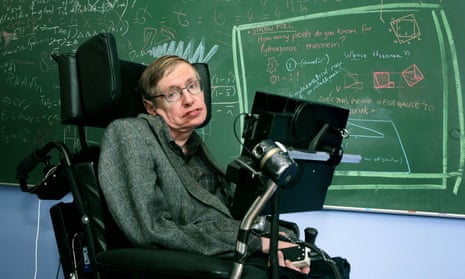
Stephen Hawking’s groundbreaking work in theoretical astrophysics and cosmology revolutionized our understanding of the universe. A specialist in general relativity and cosmology, Hawking’s research focused on the origins and evolution of the cosmos. His work built upon the theories of Albert Einstein, and he made significant contributions to the field, including his work on black holes and the no-boundary proposal.
As a renowned author, Hawking’s book A Brief History of Time became a global phenomenon, making complex scientific concepts accessible to a broad audience. First published in 1988, the book has been translated into over 40 languages and has sold more than 10 million copies worldwide. Hawking’s writing style, combined with his ability to convey complex ideas in simple terms, has inspired countless readers to explore the mysteries of the universe.
Hawking’s appointment as the Lucasian Professor of Mathematics at the University of Cambridge in 1979 marked a significant milestone in his career. As director of research at the Centre for Theoretical Cosmology, Hawking continued to push the boundaries of human knowledge, inspiring a new generation of scientists and thinkers. His work has had a lasting impact on the field of theoretical astrophysics, cementing his reputation as one of the most influential scientists of the 20th century.
Lucasian Professorship and Academic Leadership
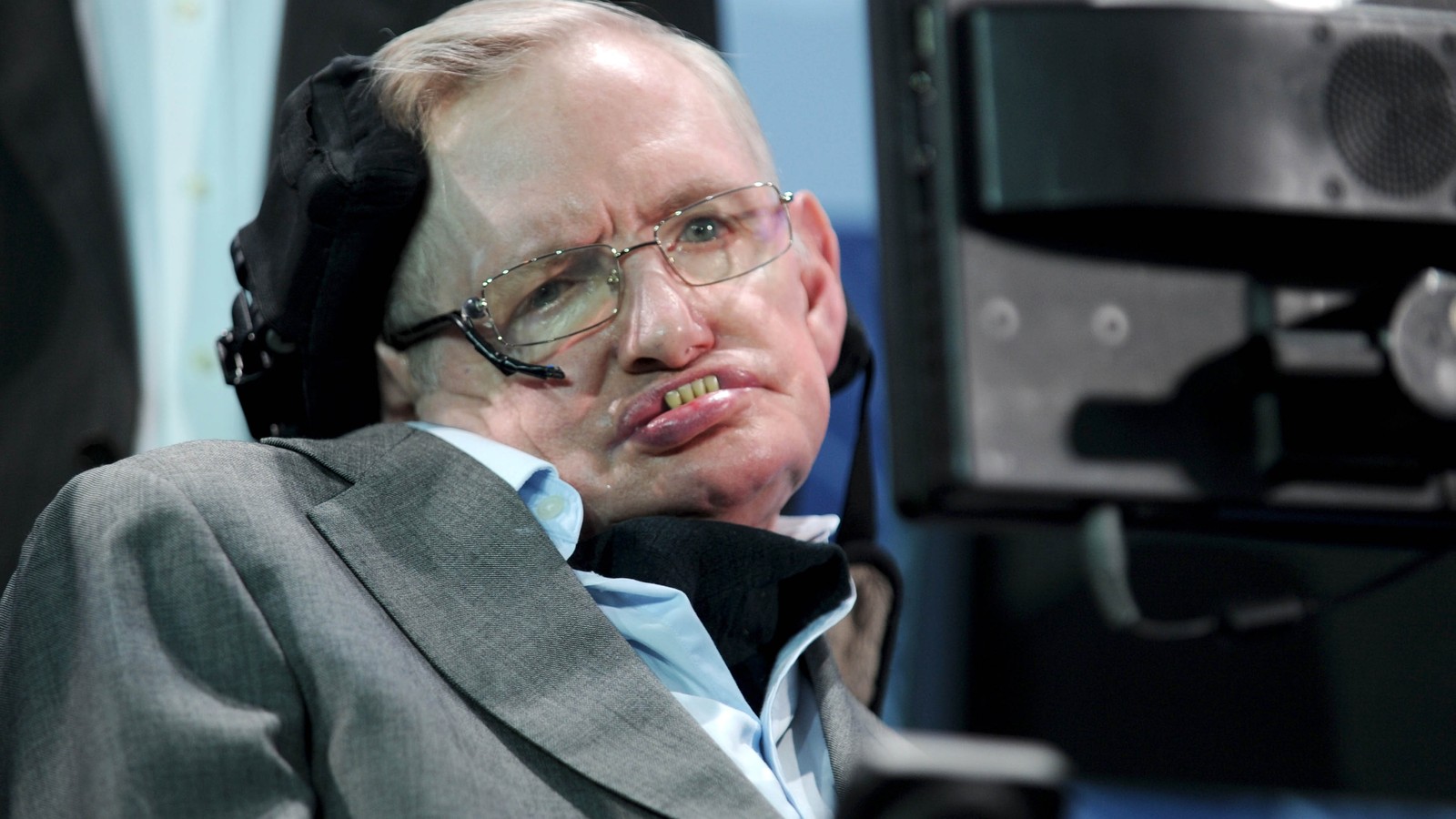
Between 1979 and 2009, Stephen Hawking held the esteemed Lucasian Professor of Mathematics position at the University of Cambridge. This title, widely regarded as one of the most prestigious academic posts in the world, was previously held by Sir Isaac Newton. Hawking’s appointment to this position marked a significant milestone in his academic career, cementing his status as a leading figure in the field of theoretical astrophysics and cosmology.
| Biography Aspect | Details |
|---|---|
| Full Name | Stephen William Hawking |
| Date of Birth | January 8, 1942 |
| Age | 76 years (at death) |
| Place of Birth | Oxford, England |
| Nationality | English |
| Occupation | Theoretical Astrophysicist, Cosmologist, Author |
| Education | University College, Oxford (BA in Physics), Trinity Hall, Cambridge (PhD in Applied Mathematics and Theoretical Physics) |
| Notable Works / Achievements | A Brief History of Time, Lucasian Professor of Mathematics at Cambridge |
| Spouse / Partner | Jane Wilde Hawking (married 1965-1995), Elaine Mason (married 1995-2006) |
| Children | 3 children: Robert, Lucy, and Timothy |
| Date of Death | March 14, 2018 |
As Lucasian Professor, Hawking was responsible for conducting research and teaching at the University of Cambridge. He was a prominent figure at the institution, and his work had a profound impact on the understanding of the universe. Hawking’s research focused on various aspects of cosmology, including the origins and evolution of the universe. He was also a key figure in the establishment of the Centre for Theoretical Cosmology, which aimed to advance our understanding of the universe through theoretical research and collaboration.
Under Hawking’s leadership, the Centre for Theoretical Cosmology became a hub for innovative research and collaboration. He was a strong advocate for interdisciplinary research, believing that the intersection of theoretical physics and cosmology could lead to groundbreaking discoveries. Hawking’s leadership and vision played a significant role in shaping the direction of research at the University of Cambridge, leaving a lasting legacy in the field of theoretical astrophysics and cosmology.
Writing and Public Engagement
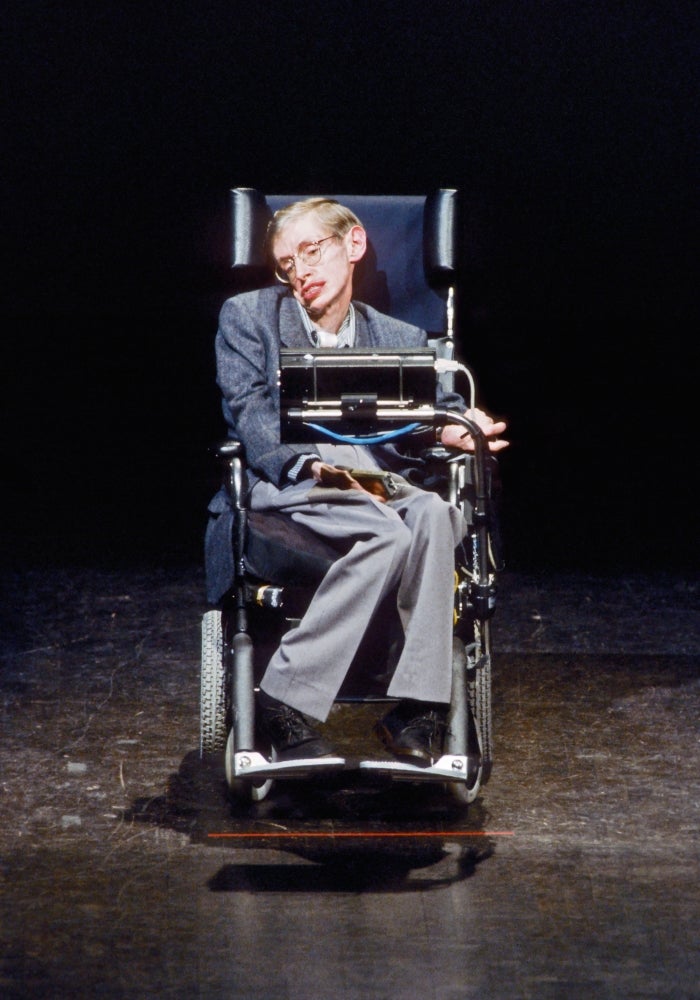
Stephen Hawking’s writing career was marked by several bestselling books that made complex scientific concepts accessible to a broad audience. His most famous work, A Brief History of Time, was published in 1988 and became an international bestseller, staying on the Sunday Times list for a record 237 weeks. The book’s success was a testament to Hawking’s ability to communicate complex ideas in a clear and engaging manner.
Hawking’s writing was not limited to books; he was also a prolific public speaker and lecturer. He gave numerous talks and interviews, sharing his insights on cosmology and theoretical astrophysics with audiences around the world. His BBC Radio 4 series, “Stephen Hawking’s Universe”, explored the wonders of the cosmos, while his documentary series, “The Universe”, delved into the mysteries of space and time. Hawking’s public appearances were often accompanied by his iconic speech-generating device, which allowed him to communicate despite his physical limitations.
Marriage and Personal Life
In 1965, Stephen Hawking met his future wife, Jane Wilde, a language student at the University of Cambridge. The couple married in 1965, and their relationship was marked by Jane’s unwavering support for Stephen as he navigated the challenges of his motor neuron disease diagnosis. In 1963, at the age of 21, Stephen was diagnosed with a motor neuron disease, later confirmed to be amyotrophic lateral sclerosis (ALS), a condition that would gradually paralyze his body over the next several decades.
Despite the physical limitations imposed by ALS, Stephen and Jane had three children, Robert, Lucy, and Timothy. The couple’s marriage was a long and enduring one, lasting over 25 years until their divorce in 1995. Jane continued to care for Stephen and manage his daily life, often accompanying him to public events and lectures. Stephen’s relationship with Jane was a testament to the strength of their love and the importance of her role in his life.
Throughout his illness, Stephen remained determined to live a full and productive life. He continued to work on his research and writing, often using a speech-generating device to communicate with others. Despite the physical challenges he faced, Stephen’s spirit and determination inspired countless people around the world, and his legacy continues to be celebrated today.
Legacy and Impact
Stephen Hawking’s influence on popular culture cannot be overstated. His groundbreaking work and charismatic personality made him a household name, transcending the boundaries of academia and appealing to a broad audience. A Brief History of Time, his bestselling book, has been translated into over 40 languages and sold more than 10 million copies worldwide, making it one of the most popular science books of all time. His appearances in popular culture, including his iconic portrayal in the film The Theory of Everything, have cemented his status as a cultural icon.
Hawking’s contributions to science and education have been immense. As the Lucasian Professor of Mathematics at the University of Cambridge, he inspired a generation of students and researchers to pursue careers in theoretical astrophysics and cosmology. His work on black holes and the origins of the universe has revolutionized our understanding of the cosmos, and his Hawking radiation theory has become a cornerstone of modern astrophysics. Through his research and teaching, Hawking has helped to make complex scientific concepts accessible to a wider audience, paving the way for future breakthroughs in our understanding of the universe.
Hawking’s legacy extends far beyond his own lifetime. As a pioneer in the field of theoretical astrophysics, he has inspired a new generation of scientists and researchers to explore the mysteries of the universe. The Centre for Theoretical Cosmology, which he founded at the University of Cambridge, continues to be a hub of innovative research and collaboration, pushing the boundaries of human knowledge and understanding. As a testament to his enduring impact, Hawking’s work and ideas continue to influence scientists, philosophers, and thinkers around the world, ensuring that his legacy will be felt for generations to come.
Awards and Recognition
Throughout his illustrious career, Stephen Hawking received numerous prestigious awards and honors for his groundbreaking contributions to the fields of theoretical astrophysics and cosmology. One of his most notable awards was the Albert Einstein Award, which he received in 1978 for his work on black holes and the origin of the universe. This esteemed award is presented annually by the American Physical Society to recognize outstanding contributions to the field of theoretical physics.
Hawking’s commitment to advancing our understanding of the universe was further recognized with the Presidential Medal of Freedom, the highest civilian honor in the United States. Awarded in 2009 by President Barack Obama, this medal is presented to individuals who have made especially meritorious contributions to the security or national interests of the United States, world peace, cultural or other significant public or private endeavors. Hawking’s receipt of this award is a testament to his enduring impact on the scientific community and his tireless efforts to make complex scientific concepts accessible to the general public.
In addition to these prestigious awards, Hawking was also elected a Fellow of the Royal Society in 1974, a distinction that recognizes outstanding contributions to the advancement of science. His election to this esteemed fellowship is a testament to his groundbreaking work in theoretical astrophysics and cosmology, and his enduring legacy as one of the most influential scientists of the 20th century.